
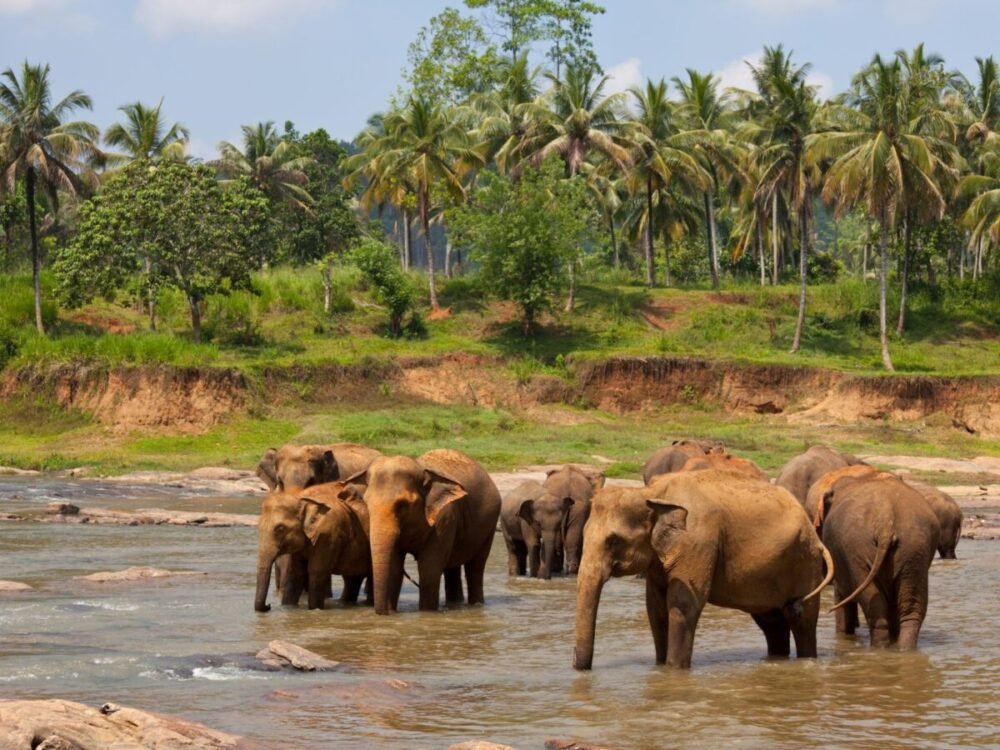
Best Places in Sri Lanka for Nature Lovers and Outdoor Adventures
If you’re searching for the best places in Sri Lanka, you’ll quickly discover countless lists of beaches, temples and famous viewpoints. Many of them are well worth visiting. But if your idea of travel is spending time outdoors – walking forest trails, watching wildlife, paddling rivers or simply understanding the landscapes you’re travelling through – you’ll probably end up with a very different itinerary.
Some countries ask you to visit nature. Sri Lanka rarely gives you a choice.
It appears beside the road, wanders across it, wakes you before sunrise with unfamiliar birdsong and, if you leave breakfast unattended for a moment, may decide to help itself.
That closeness between people and the natural world is one of the reasons I keep returning. Here, wildlife isn’t confined to national parks. Ancient reservoirs still shape the landscape, tea plantations climb former cloud forests, and life continues alongside elephants, monkeys and countless birds in ways that can feel surprising to first-time visitors.
The places below aren’t necessarily the ones with the biggest ticket offices or the longest queues. They’re the landscapes that reveal why Sri Lanka is one of the most rewarding destinations in Asia for anyone who enjoys nature and the outdoors.
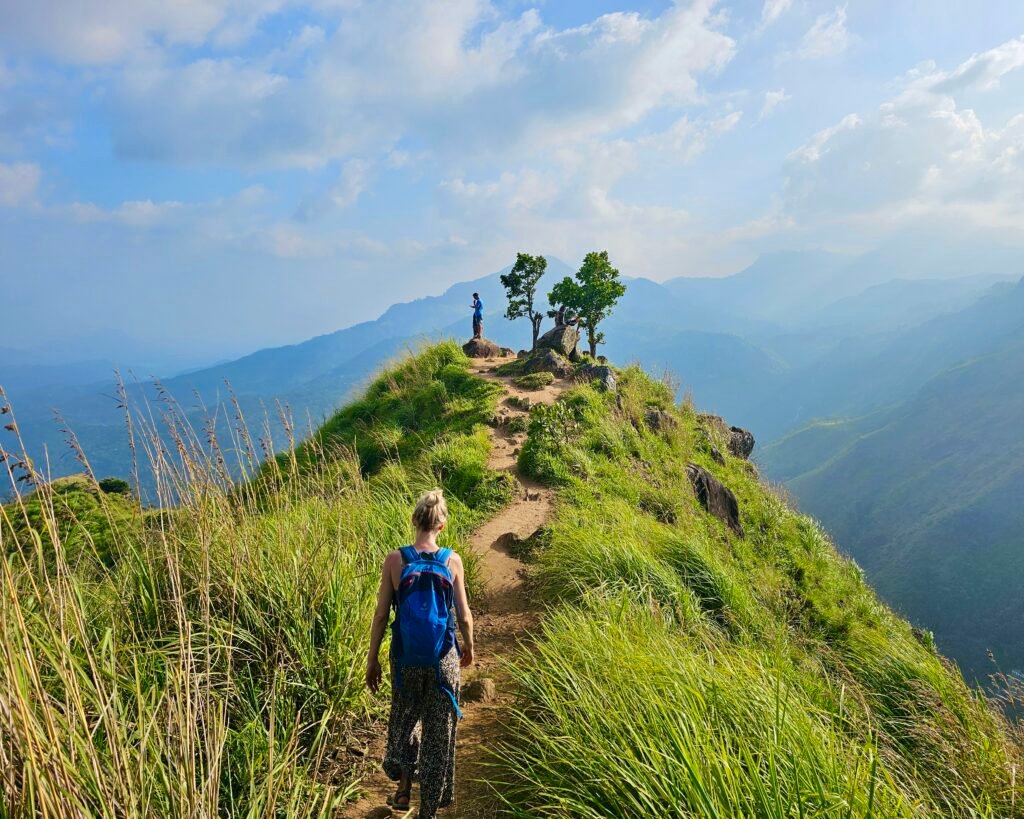
These are the places I wouldn’t leave out of a nature-focused journey through Sri Lanka.
1. Wilpattu National Park – A Safari That Rewards Patience
If you’re looking for one of the best places in Sri Lanka to experience wildlife, chances are someone will immediately recommend Yala National Park. It’s an excellent park and rightly famous for its leopards. But for the opening safari of this journey, I deliberately head north instead.
Wilpattu offers a different kind of experience. As Sri Lanka’s largest national park, its vast dry-zone forest spreads across more than 1,300 square kilometres, stitched together by dozens of natural rain-fed lakes known as villus. These seasonal wetlands are unique to this part of the island and quietly dictate the rhythm of life in the park. During the dry months, elephants, leopards, sloth bears, crocodiles and hundreds of bird species all gravitate towards the shrinking water, turning each villu into a living wildlife stage.
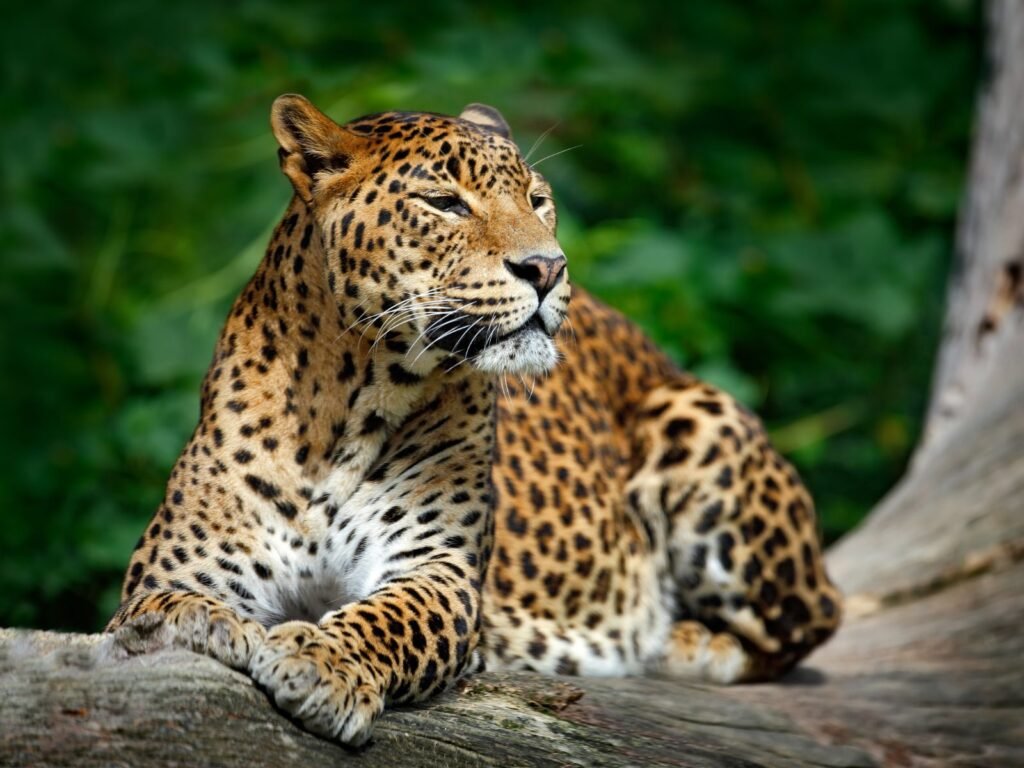
Unlike the more vehicle-heavy routes in Yala, Wilpattu’s extensive network of tracks spreads visitors over a much larger area. You still need luck—wildlife always has the final say—but the experience usually feels less hurried and more immersive. Instead of rushing from one radio call to the next, you have time to notice fresh tracks in the sand, listen to alarm calls echoing through the forest and appreciate everything that happens between the headline sightings.
Guide’s tip
A full-day safari is well worth considering if time allows. Besides reaching quieter parts of the park, it gives you something many safaris lack: time to stop. Some of the most memorable wildlife encounters happen after simply waiting beside a villu rather than constantly driving in search of the next leopard. Early morning departures also remain the most productive for mammals before the tropical heat builds.
2. The Pekoe Trail — Walking Through Sri Lanka’s Tea Highlands
No list of the best places in Sri Lanka for outdoor enthusiasts would be complete without the Pekoe Trail. Stretching for more than 300 kilometres across Sri Lanka’s Central Highlands, it is the country’s first long-distance hiking trail and one of its most ambitious conservation and sustainable tourism projects. Rather than leading hikers to a single viewpoint, it connects tea estates, mountain villages, cloud forests and colonial-era paths that have linked these landscapes for generations.
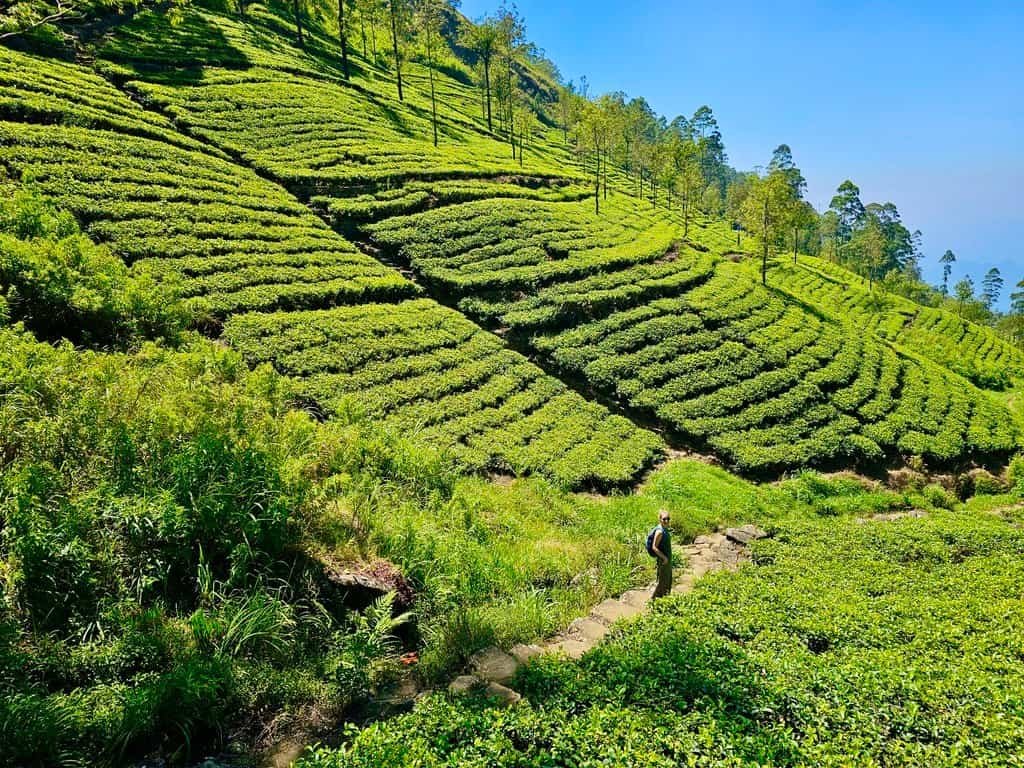
The trail is divided into 22 individual stages, so you don’t need weeks to experience it. In fact, most visitors are better off choosing one or two outstanding sections than trying to cover the entire route.
Around Stage 13, the trail climbs towards Lipton’s Seat, where early morning light rolls across seemingly endless tea plantations. It’s one of the classic landscapes of Sri Lanka’s hill country.
If you’re looking for wilder scenery, Stage 11 follows the dramatic descent of the Devil’s Staircase from Horton Plains towards Udaweriya. On a clear day, the views stretch all the way towards Udawalawe National Park and even the southern coastline, while the changing weather can transform the same landscape within minutes.
For those based around Ella, Stage 16 offers one of the most accessible introductions to the Pekoe Trail. It combines rolling tea country with railway heritage and requires far less planning than some of the more remote sections, making it particularly popular with day hikers.
Walking even a single stage reveals something that is easy to miss from a train window or roadside viewpoint. Tea plantations are not simply beautiful scenery. They are working landscapes that have shaped local communities, altered native forests and created a unique mosaic where agriculture, biodiversity and history continue to coexist.
Guide’s tip
Before choosing a stage, spend a few minutes on the official Pekoe Trail web page. Each stage of the trail has its own profile with distance, elevation, estimated hiking time and current trail conditions. I also recommend downloading the official Pekoe Trail App before arriving. Besides offline navigation and GPS tracking, it lets you reserve the required Trail Pass directly from your phone. The pass itself is currently free, although a few stages include separate entrance fees for places such as Horton Plains National Park.
3. Sinharaja Rainforest — Sri Lanka’s Living Time Capsule
Among the best places in Sri Lanka for nature lovers, Sinharaja Forest Reserve is the closest thing the island has to a biological time capsule. Protected as a UNESCO World Heritage Site, it preserves the country’s largest remaining area of primary tropical rainforest – and many of the species that evolved here simply never left.
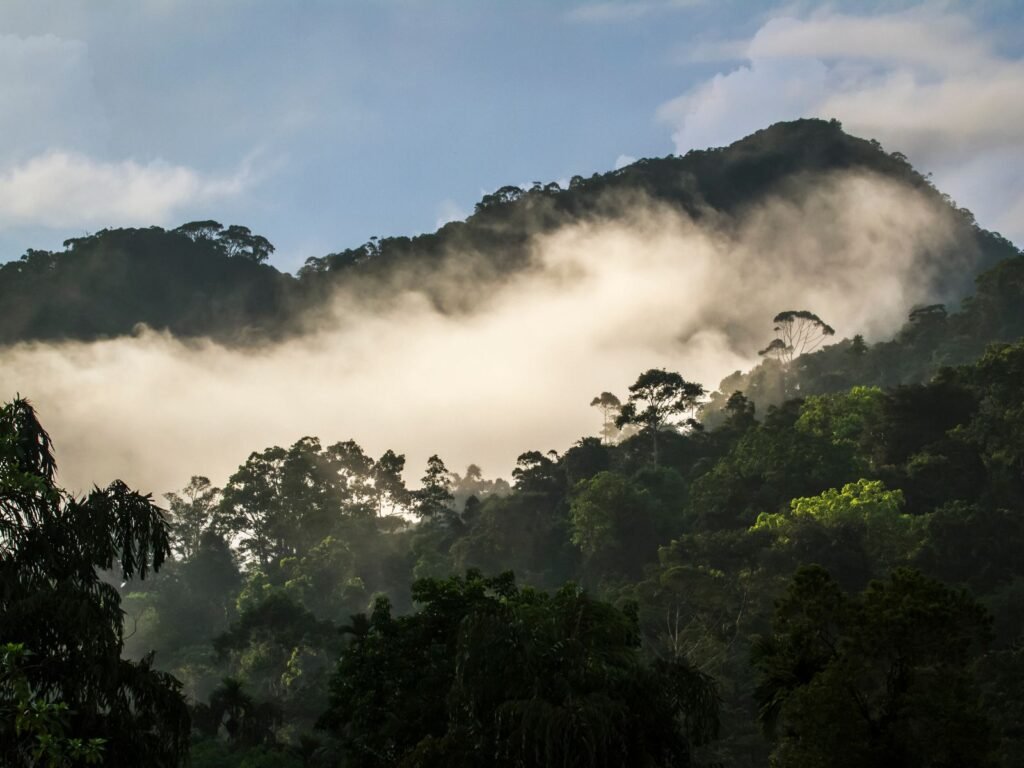
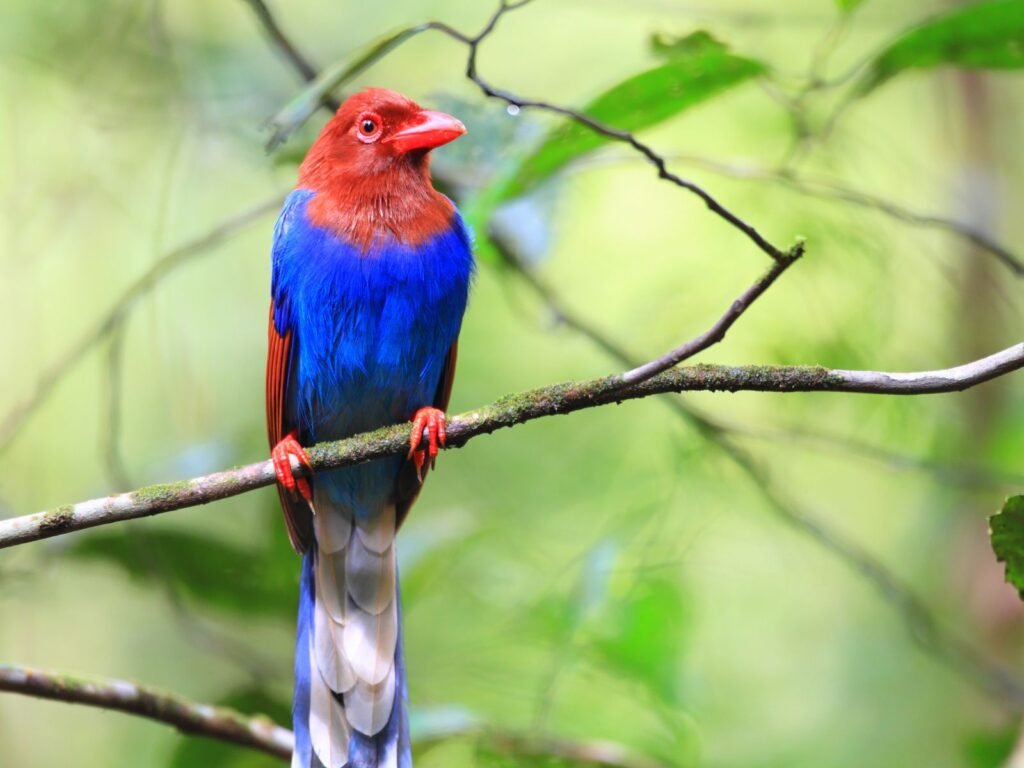
The stars of the forest aren’t necessarily the biggest animals. They’re the ones found nowhere else on Earth. The unmistakable Sri Lanka Blue Magpie, with its brilliant cobalt-blue feathers and chestnut-red head, often steals the show long before you’ve managed to photograph it. The Red-faced Malkoha, looking slightly as if it forgot to finish combing its feathers, slips quietly through the canopy, while the tiny Green Pit Viper can remain perfectly motionless on a branch until someone points it out from less than a metre away.
One of Sinharaja’s most remarkable spectacles is a mixed-species bird flock. Instead of feeding alone, twenty or thirty bird species move through the forest together like a travelling neighbourhood, each searching for insects in its own way while benefiting from the extra pairs of eyes watching for predators. Once you notice the flock, the forest suddenly comes alive.
Practical tip
Sinharaja is best explored with a knowledgeable local naturalist. The forest is rich in wildlife, but much of it remains remarkably well hidden. A guide who knows the calls of endemic birds or can spot a sleeping frog on a moss-covered branch will reveal far more than any field guide alone.
If your schedule allows, consider staying overnight near the reserve. Early morning offers the highest bird activity, while a guided night walk introduces an entirely different rainforest community, from colourful frogs and giant snails to spiders, snakes and nocturnal reptiles that remain invisible during the day.
4. Hidden Biosphere Reserves – Where the Lagoons Come Alive
Some of the best places in Sri Lanka for widlife never appear on postcards. The island’s southern lagoons rarely receive the attention they deserve. Overshadowed by famous safaris and beaches, these wetlands quietly support one of the richest concentrations of birdlife in the country.
From Bundala National Park to the interconnected lagoons around Kalametiya, Rekawa and Tangalle, fresh and salt water mix with mangroves, mudflats and shallow coastal lakes to create ideal feeding grounds for wildlife. During the northern winter, thousands of migratory birds arrive from as far away as Siberia and Central Asia, joining colourful residents such as painted storks, Asian openbills, black-headed ibises, pied kingfishers and elegant spot-billed pelicans. In good years, even greater flamingos make an appearance.
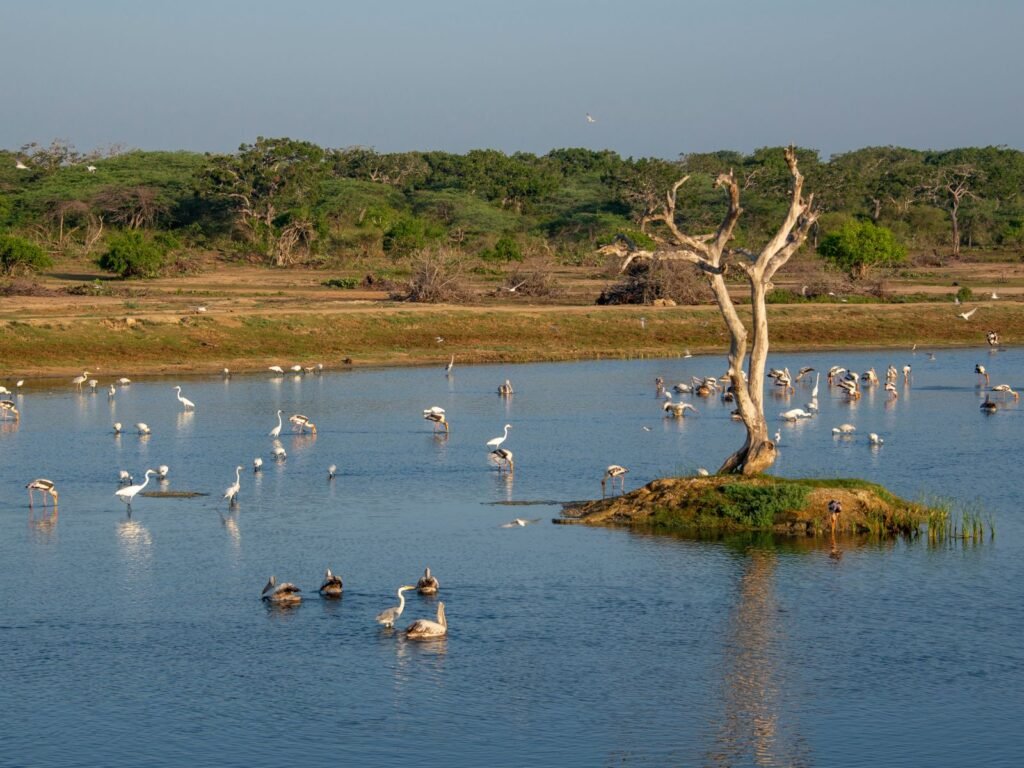
The lagoons aren’t only for birds. Saltwater crocodiles patrol the channels, water monitors cruise the shoreline with prehistoric confidence, while mangrove forests act as nurseries for countless fish and crustaceans before they move into the Indian Ocean. It’s a reminder that some of Sri Lanka’s richest ecosystems aren’t hidden deep inside the jungle – they exist right beside fishing villages and quiet coastal roads.
Guide’s tip
Don’t rush through Sri Lanka’s lagoons on your way to the beach. Early morning and the last two hours before sunset are when bird activity peaks and the light becomes softer for photography. For current bird sightings eBird Sri Lanka Hotspots is an excellent planning resource, while local naturalist guides can often recommend which lagoons have been particularly active in recent days.
5. Sri Lanka’s Wild Southern Coast — Where the Ocean Sets the Rhythm
After days spent hiking through tea country, searching for wildlife and exploring rainforests, Sri Lanka’s southern coastline offers a different kind of adventure. Here, the Indian Ocean sets the pace. Around Tangalle, Silent Beach, Hiriketiya and Weligama, rocky headlands, hidden coves and long sandy beaches replace mountain ridges, while life above and below the water remains just as fascinating.
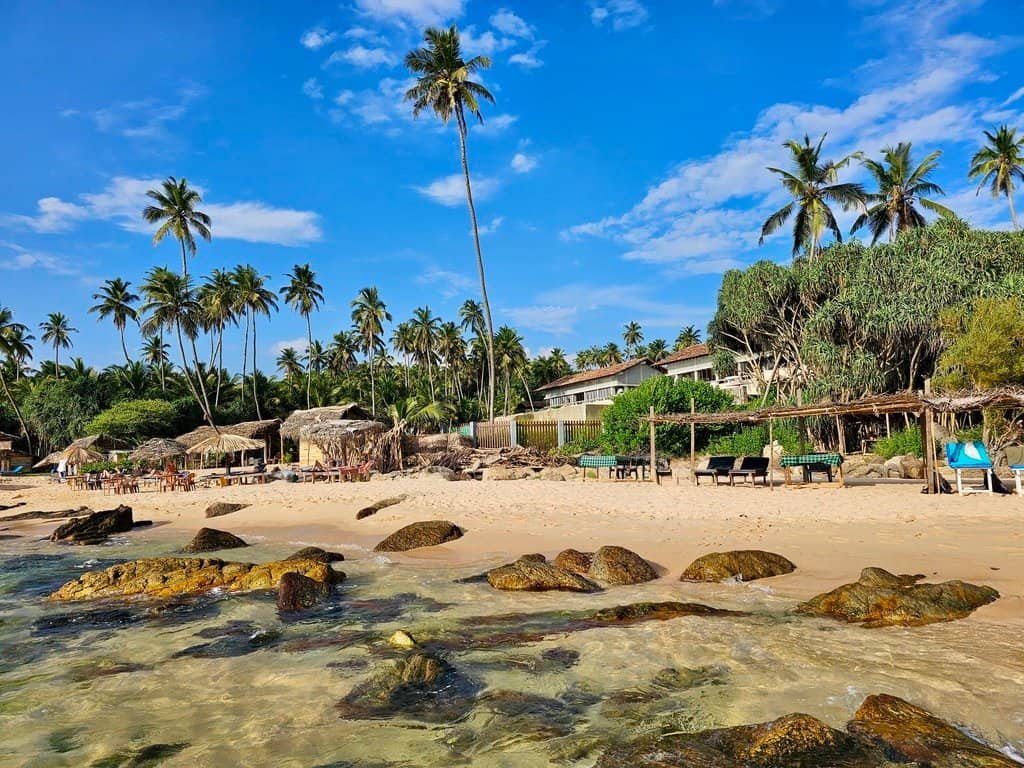
These shores are important nesting grounds for several species of sea turtles, including Green, Hawksbill, Olive Ridley and Loggerhead Turtles.
Offshore, the continental shelf drops away unusually quickly, making Sri Lanka’s south coast one of the few places in the world where migrating blue whales and sperm whales pass relatively close to land during the season. It’s a reminder that the Indian Ocean here is far more than a beautiful backdrop – it is one of the island’s richest ecosystems.
It is also a popular place for snorkelling. Sea turtles are regular visitors to the reefs and seagrass meadows, and sharing the water with one (or even several) is often a highlight of the journey. The secret is not to chase them. Fortunately, turtles are blissfully unconcerned with human bucket lists. If they feel comfortable, they usually decide themselves how close the encounter will be – and those are almost always the most memorable moments.
Guide’s tip
Many tours advertise guaranteed turtle nesting or hatchling releases. As tempting as they may sound, they often involve artificial lighting, crowding or handling that can disturb the very animals people have come to admire. I prefer to leave turtles to their nightly work undisturbed.
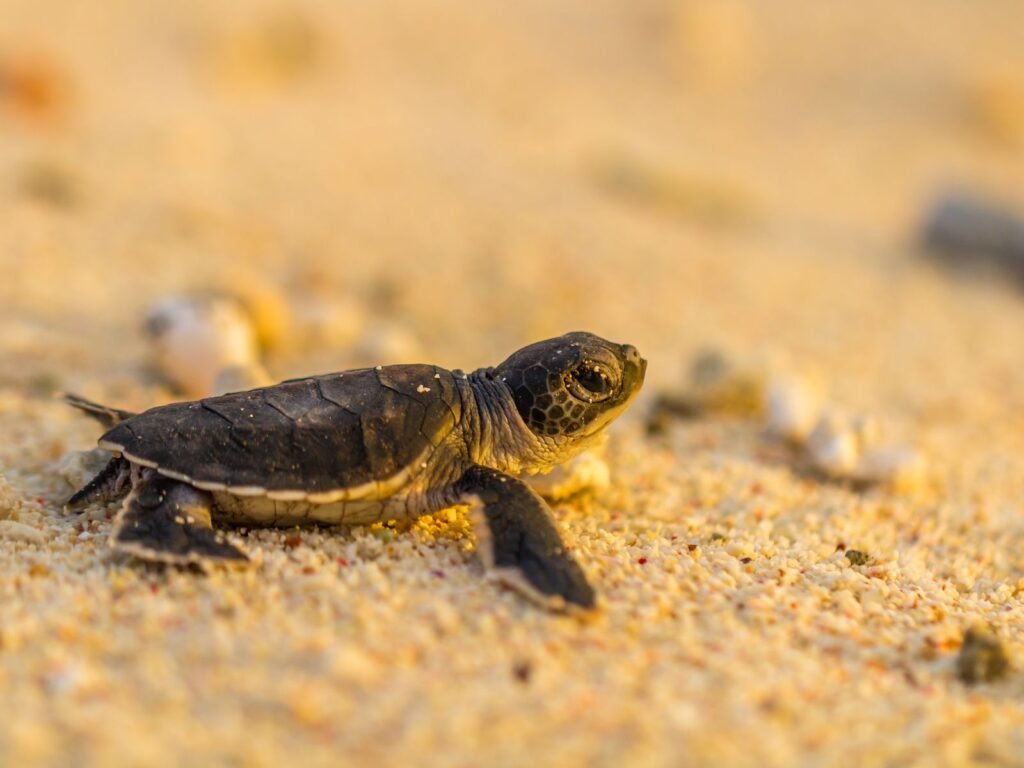
Snorkelling with wild turtles can be an unforgettable experience, but only if we remain respectful guests. Give them space, never block their path to the surface, avoid touching them, and resist the temptation to swim after them for that perfect photo. A turtle that completely ignores your presence is usually a good sign that you’re doing everything right.
Why These Are Some of the Best Places in Sri Lanka for Nature Lovers
You could easily spend months exploring Sri Lanka’s mountains, forests and coastline. The reason these places above stand out isn’t because they’re the only places worth visiting, but because together they tell the island’s natural story remarkably well.
A safari in Wilpattu introduces Sri Lanka’s dry forests and their elusive wildlife.
The Pekoe Trail reveals how people have shaped the highlands without completely losing the natural landscape.
Sinharaja preserves a fragment of rainforest that has survived for millions of years.
The southern lagoons remind us that some of the island’s richest biodiversity exists far beyond its famous national parks.
Finally, the Indian Ocean adds another dimension altogether, where coral reefs, sea turtles and seasonal whale migrations connect Sri Lanka to the wider marine world.
Individually, each place is worth the journey. Together, they explain why Sri Lanka is one of the world’s great destinations for nature lovers and outdoor adventures.
Where Next?
Planning your own trip?
Browse our Field Notes for more destination guides, outdoor adventure ideas and practical travel tips from the field.
If you’d prefer someone else to handle the planning, explore our Journeys, where many of these landscapes come together in carefully designed small-group adventures.
Have a favourite among these best places in Sri Lanka, or another recommendation worth adding to this guide? I’d genuinely enjoy hearing your thoughts in the comments.
And if you’re curious about joining The Great Sri Lanka Journey, or simply have a question about travelling in Sri Lanka, send me a message at rolands@escaperies.com. I’m always happy to talk outdoor adventures, wildlife, nature and travel plans.