
10 Best Places to Visit in Albania for Nature Lovers: A Practical Field Guide Beyond the Beaches
Ask ten people about the best places to visit in Albania and chances are you’ll hear the same answer.
“The beaches.”
They’re not wrong. But they’re only telling you part of the story.
Lonely Planet says that everyone seems to be talking about visiting Albania, and this is for good reason.
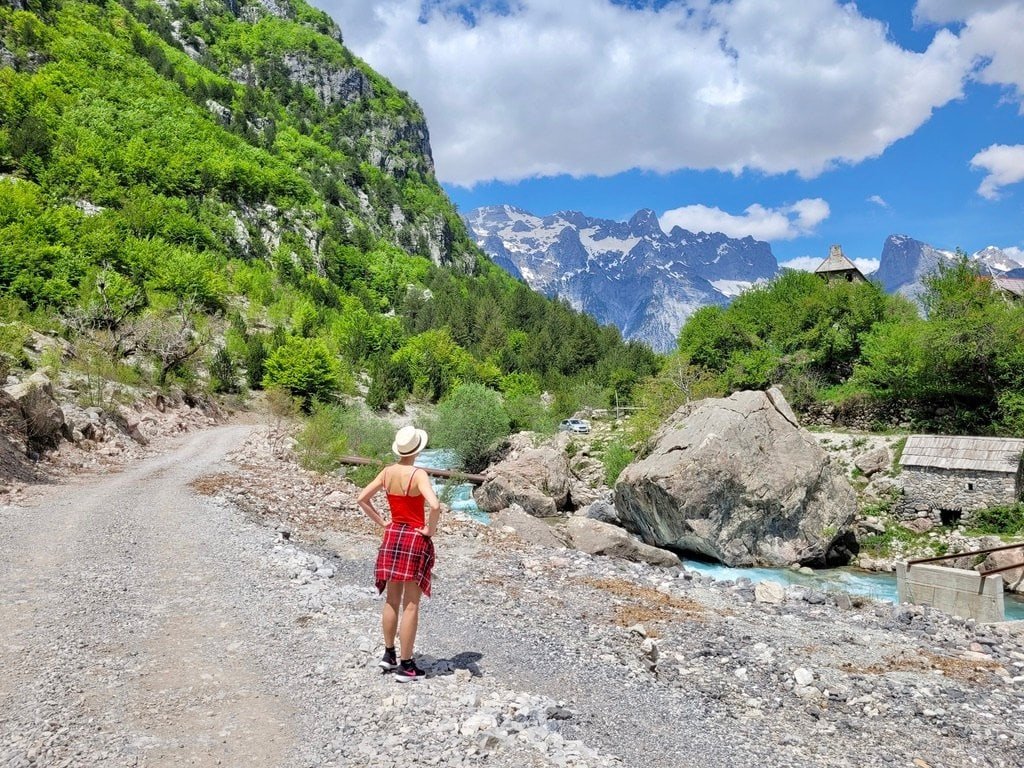
Albania is one of the few countries where you can spend the morning snorkelling above Mediterranean seagrass meadows, hike through mountain forests in the afternoon and, a few days later, find yourself crossing glacier-shaped valleys in the Albanian Alps. Add rivers, canyons and two remarkable UNESCO towns, and you have one of Europe’s most diverse outdoor destinations packed into a surprisingly compact country.
This isn’t a complete guide to Albania, nor is it a list of every attraction worth seeing.
Instead, it’s a practical field guide to the places I’d prioritise if your idea of a good trip includes hiking boots, a kayak, a snorkelling mask or a rafting paddle rather than a hotel sunbed.
The order isn’t a ranking. It follows the same route used for The Great Albania Journey, beginning where the mountains meet the Ionian Sea before gradually working north towards the country’s greatest natural treasure – the Albanian Alps. Along the way, I’ll also suggest worthwhile alternatives if you have extra time or different interests.
Why Nature Lovers Should Look Beyond Albania’s Beaches
One of Albania’s greatest strengths isn’t any single destination. It’s the variety.
Within one journey you can experience a protected marine park, mountain passes overlooking the sea, ancient wetlands, limestone canyons, glacier-carved valleys and some of Europe’s most rewarding hiking.
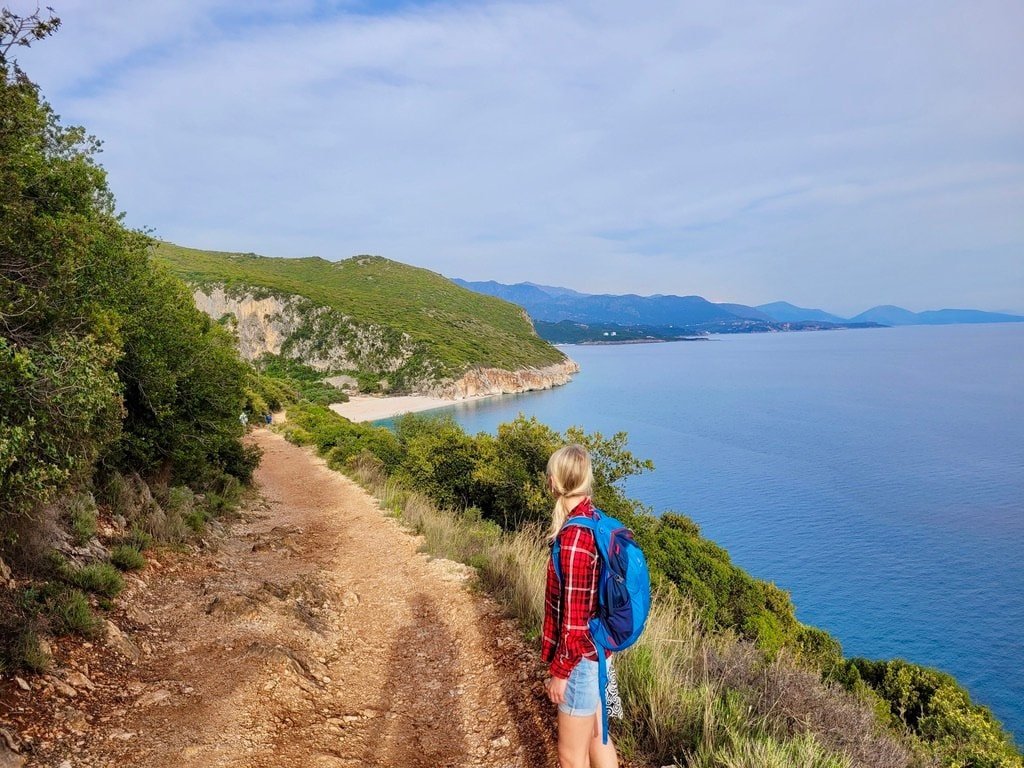
That diversity also makes planning surprisingly difficult. Distances on the map can look short, but Albania’s roads often have other ideas. The trick isn’t trying to see everything – it’s choosing places that complement one another.
The following route does exactly that.
The Best Places to Visit in Albania for Nature Lovers
1. Karaburun Peninsula
Best for: Snorkelling • Sea kayaking • Coastal hiking
If you’re expecting another Mediterranean beach destination, start with Karaburun.
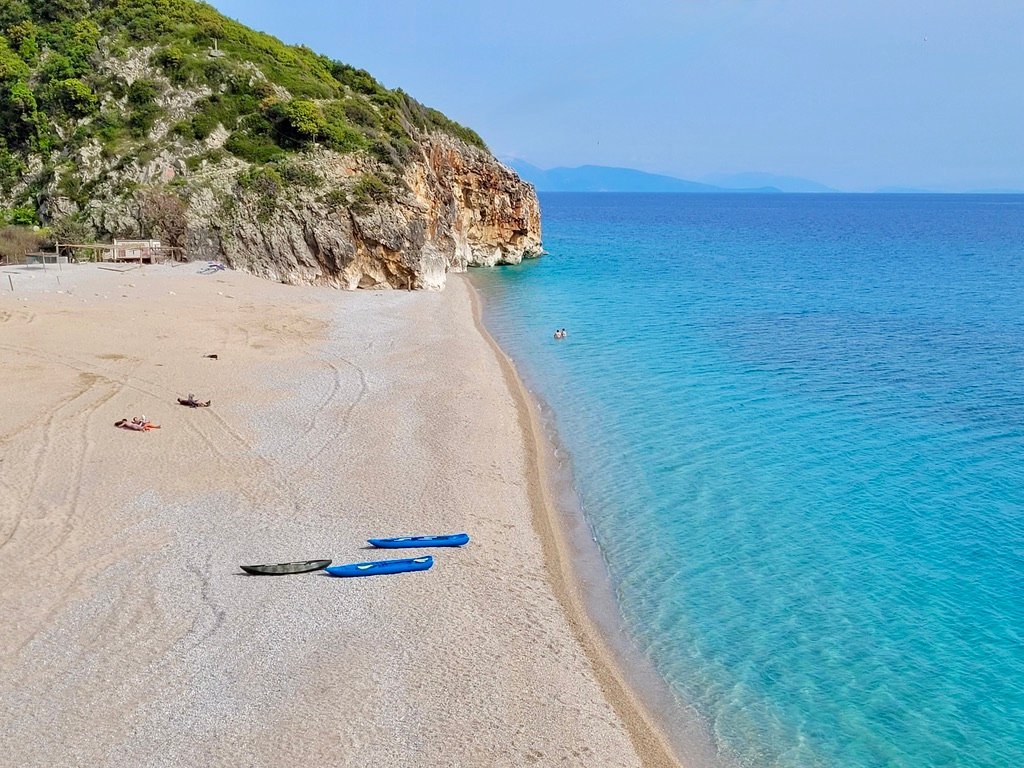
Unlike much of the Albanian Riviera, this rugged peninsula has no coastal road. Most of its hidden bays are reached by boat, kayak or on foot, which has helped keep the coastline remarkably wild.
The biggest surprise lies beneath the surface.
Karaburun forms part of Albania’s first marine national park, where extensive meadows of Posidonia oceanica provide nursery habitat for countless fish species, stabilise the seabed and help keep the water exceptionally clear. Despite looking like seaweed, Posidonia is actually a flowering plant – and one of the Mediterranean’s most important ecosystems.
Spend the day exploring secluded coves, snorkelling above the seagrass meadows or paddling beneath towering limestone cliffs. If conditions allow, many boat trips also visit the impressive Haxhi Ali Cave, carved by waves into the peninsula’s western coast.
Worth knowing
Ironically, Karaburun owes much of its good ecological condition to decades of military isolation. Large parts of the peninsula remained inaccessible for years, unintentionally protecting habitats that are now among Albania’s greatest natural assets.
Guide’s tips
If you have more time join a sea kayaking tour instead of a standard boat trip. Travelling at paddle speed lets you reach quieter coves while appreciating just how dramatic this coastline really is.
2. Llogara National Park
Best for: Hiking • Mountain views • Wildlife
An hour after leaving the coast, Albania changes completely.
Llogara National Park sits where the Ceraunian Mountains rise abruptly above the Ionian Sea. From the famous Llogara Pass, the road climbs to just over 1,000 metres before dropping dramatically towards the Riviera on the other side.
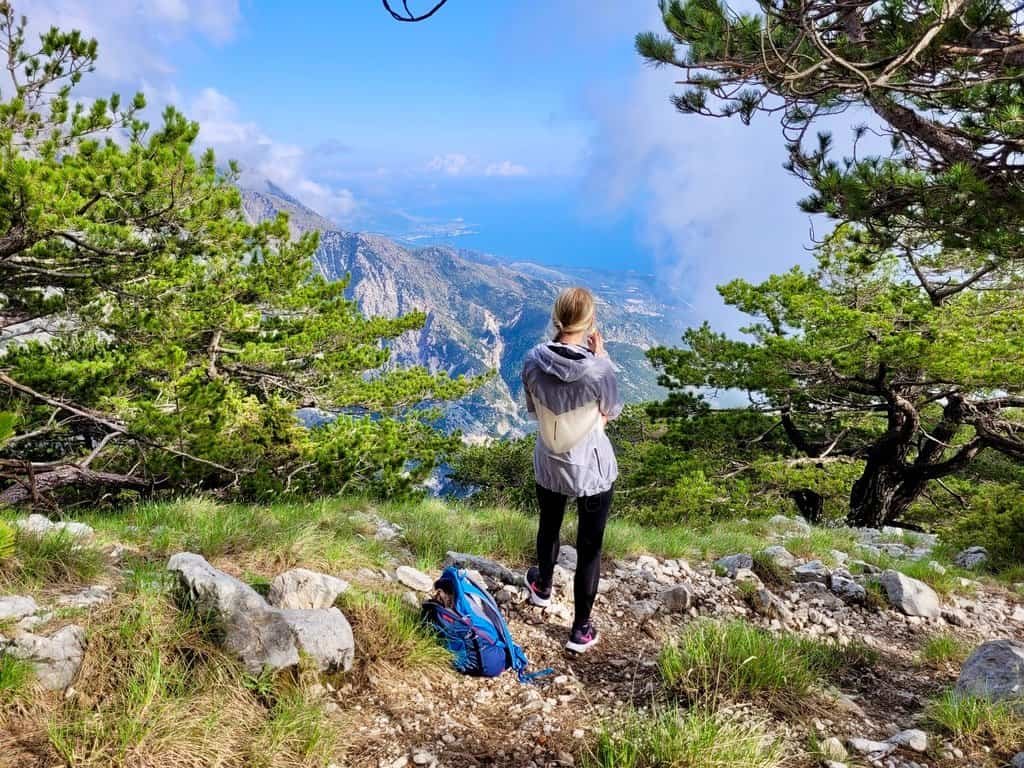
Most visitors stop for a photograph and continue driving.
That would be a mistake.
Some of the park’s best views require leaving the road behind. Some great hiking trails climb through black pine and Bosnian pine forests before opening onto ridges with sweeping views across the Ionian Sea. On exceptionally clear days, the Greek island of Corfu appears on the horizon.
Keep an eye on the trees as you walk. Many of the pines have grown permanently bent by strong coastal winds, becoming living records of decades of exposure.
Worth knowing
Llogara is one of the rare places in Europe where alpine and Mediterranean ecosystems meet within a remarkably short distance. In little more than an hour you can move from sea level to cool mountain forest.
Guide’s tips
Don’t treat Llogara as a scenic viewpoint. Give yourself time for at least one hike. The landscape only reveals its character once you’re away from the traffic.
In case of having more time experienced hikers can explore longer ridge walks in the Ceraunian Mountains, where the crowds quickly disappear and the views become even more impressive.
3. Butrint National Park
Best for: Nature, archaeology and birdlife
Most people visit Butrint for its ancient city. That’s understandable – but they often overlook the national park surrounding it.
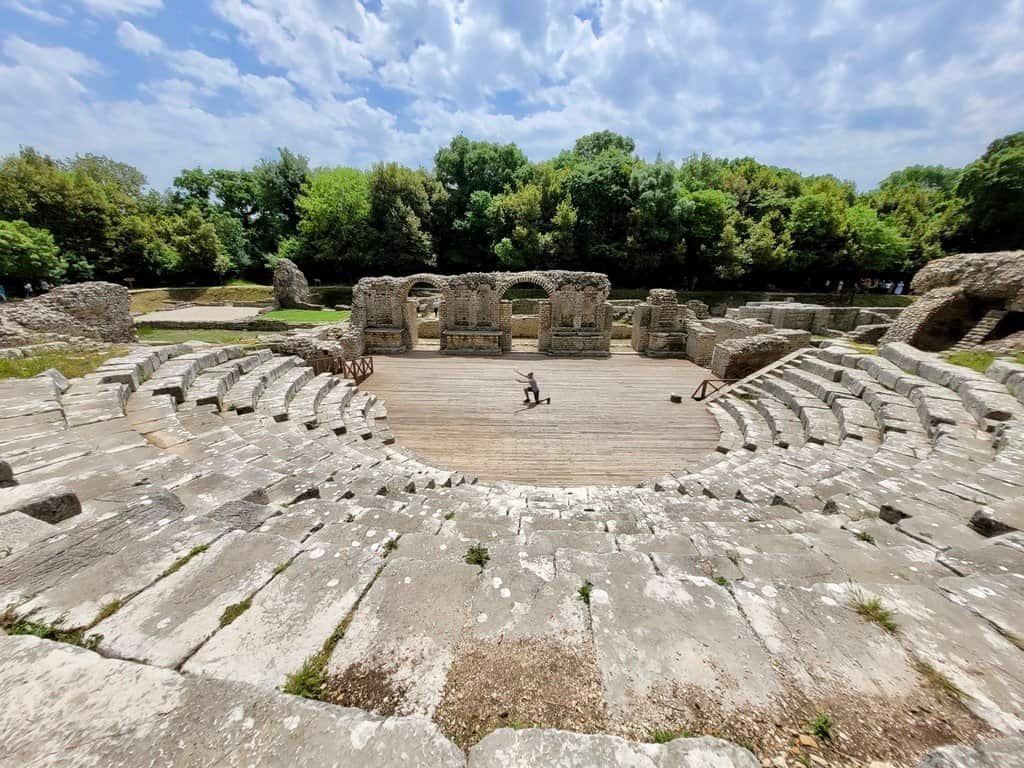
Set beside a large lagoon connected to the Ionian Sea, Butrint combines remarkably well-preserved archaeological remains with wetlands, forests and coastal habitats that support an impressive diversity of wildlife. Herons, egrets, cormorants and numerous migratory birds use the lagoon throughout the year, while the surrounding woodlands provide a very different atmosphere from the exposed coastline further north.
Walking through Butrint feels different from visiting many archaeological sites. Instead of standing apart from nature, the ruins seem to have been slowly reclaimed by it. Ancient walls sit beneath mature trees, stone theatres overlook wetlands and the sounds of birds often replace the usual noise of busy tourist attractions.
Worth knowing
Butrint has been inhabited for over 2,500 years, serving at different times as a Greek colony, Roman city, Byzantine bishopric and Venetian stronghold. Today, both its cultural heritage and natural ecosystems are recognised as part of a single protected landscape.
Guide’s tips
Arrive early if possible. You’ll enjoy cooler temperatures, softer light for photography and a much quieter experience before larger tour groups arrive. Or alternatively you may choose arriving late afternoon for the same reasons.
If you have more time spend an extra few hours exploring the wider national park rather than only the archaeological site. The wetlands are every bit as interesting as the ruins, particularly if you enjoy birds or nature photography.
4. Gjirokastër – Albania’s Stone City
Best for: History • Architecture • Easy walking
Not every one of the best places to visit in Albania has to involve hiking boots.
After several active days, Gjirokastër offers a welcome change of pace without losing the connection to the landscape. Built on the steep slopes of the Drino Valley, this UNESCO World Heritage Site is known as the “City of Stone” for its distinctive slate roofs cascading down the hillside beneath one of the Balkans’ largest hilltop castles.
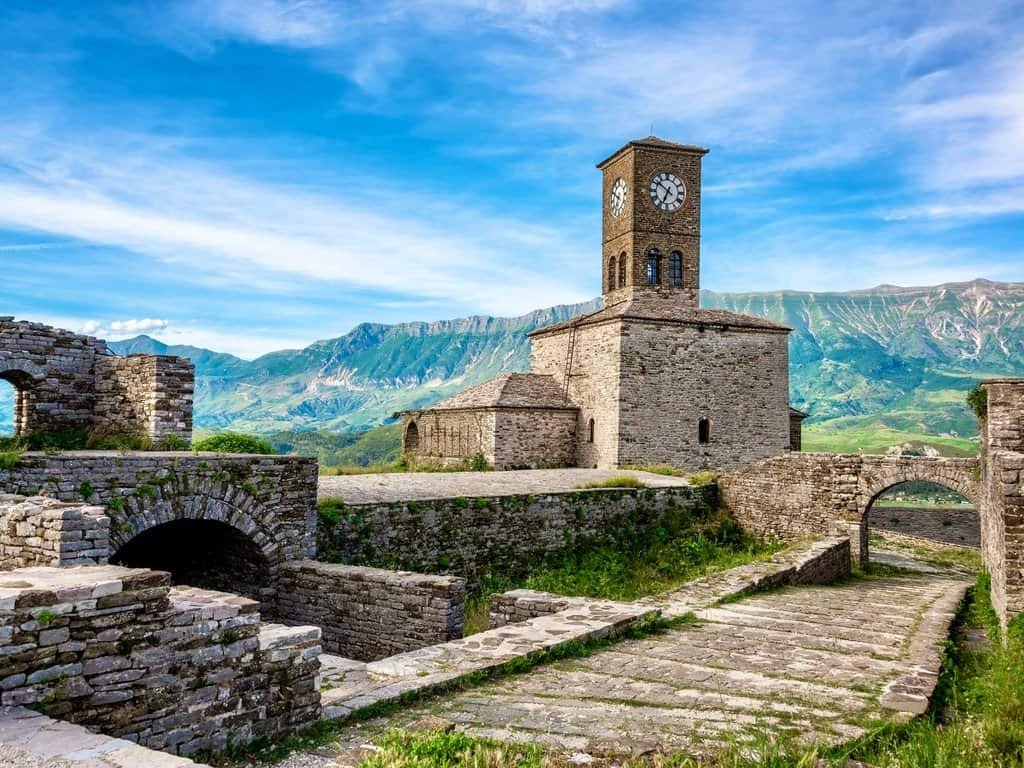
Unlike many historic towns, Gjirokastër wasn’t designed to impress visitors. It was shaped by the terrain. Narrow cobbled streets follow the contours of the hill, while the fortified Ottoman houses were built to withstand both the mountain climate and centuries of regional conflict.
One of the town’s greatest pleasures is simply wandering without a plan. Around almost every corner you’ll find another viewpoint over the valley or another quiet café where life moves at a noticeably slower rhythm than along the coast.
Worth knowing
The famous stone roofs aren’t simply an architectural style. Local limestone was the most readily available building material, and its durability has helped define Gjirokastër’s distinctive appearance for centuries.
Guide’s tips
Allow yourself time to get lost in the old town rather than walking directly between landmarks. Some of the best views appear unexpectedly from small side streets.
If you have extra time, visit one of the preserved Ottoman tower houses to understand how families adapted to life in the mountains long before modern roads connected southern Albania.
5. Berat – The City of a Thousand Windows
Best for: Culture • Photography • Riverside walks
Among the best places to visit in Albania, Berat provides one of the country’s most recognisable views.
Rows of white Ottoman houses climb the hillside above the Osum River, giving the impression that hundreds of windows are watching over the valley below. It’s this unusual appearance that earned Berat its nickname – the City of a Thousand Windows.
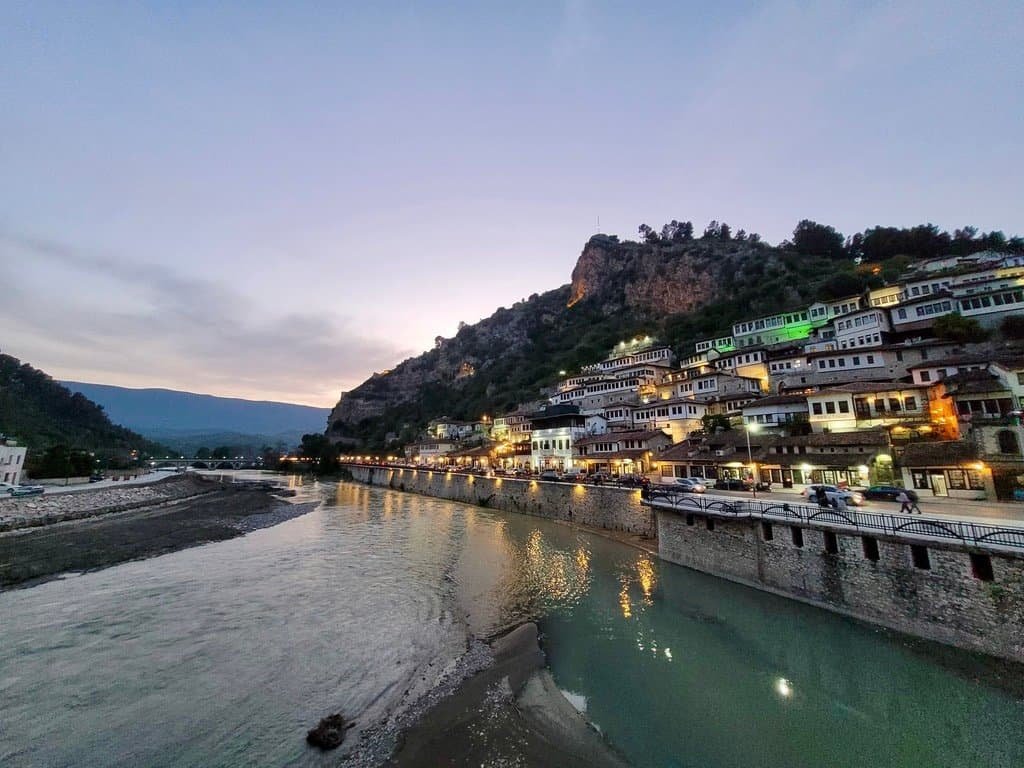
Like Gjirokastër, Berat is a UNESCO World Heritage Site, but the atmosphere is noticeably different. The town feels brighter, more open and closely connected to the river flowing through its centre.
Above the old quarters, Berat Castle remains a living neighbourhood rather than simply a historic monument. People still live within its ancient walls, creating the unusual experience of walking through a medieval fortress that continues to function as part of everyday life.
Worth knowing
The famous “thousand windows” aren’t just decorative. The houses were built on a steep hillside so that each family could enjoy light and views above the rooftops below – a practical solution that became the town’s defining image.
Guide’s tips
Visit the castle in the late afternoon when the light softens and the day-trippers begin to leave. Afterwards, cross the Gorica Bridge for one of the classic views back towards Mangalem.
If you have more time, stay overnight. Berat becomes considerably quieter after sunset and has a completely different atmosphere once the daytime visitors have gone.
6. Osumi Canyon
Best for: Rafting • Adventure • Spectacular geology
If you’re looking for one of the most exciting outdoor activities among the best places to visit in Albania, Osumi Canyon deserves a place near the top of your list.
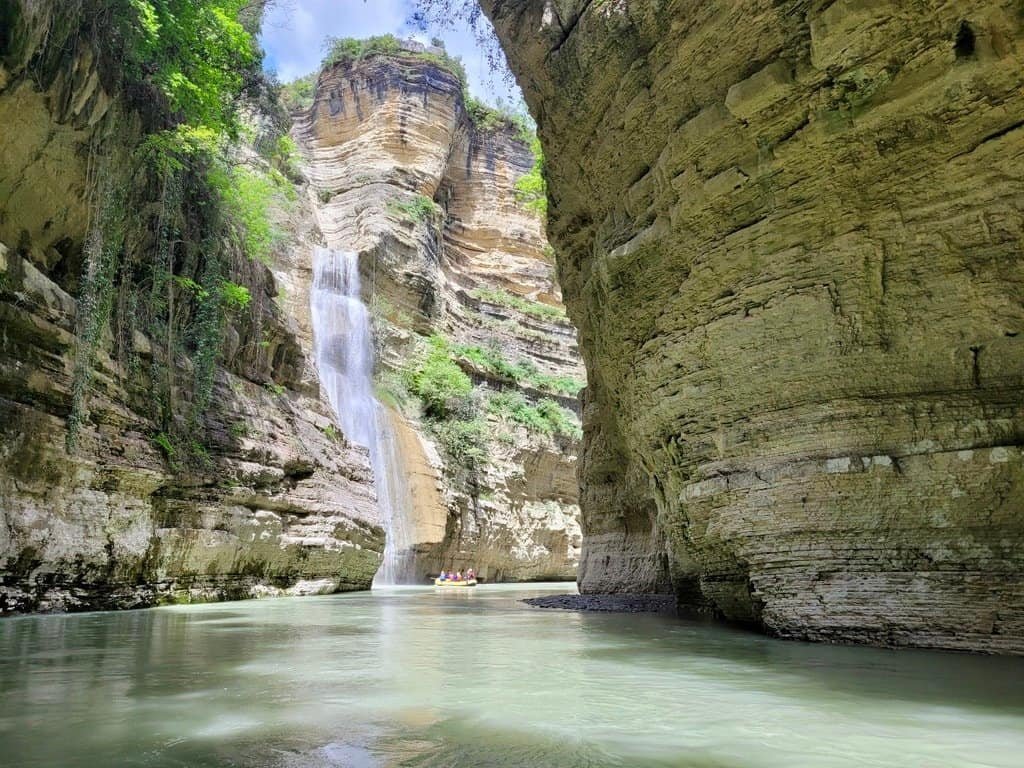
Over millions of years, the Osum River carved a deep limestone gorge through southern Albania, creating towering cliffs, narrow passages and seasonal waterfalls that tumble directly into the canyon.
The best way to experience it is from the water.
Rafting transforms the canyon from something you admire into something you move through. Looking up from river level, the vertical walls feel far more impressive than they ever do from above.
The rapids themselves are generally suitable for beginners during the main rafting season, making Osumi an excellent introduction to whitewater rather than an extreme expedition.
Worth knowing
Many of the canyon’s waterfalls only flow strongly during spring and early summer, when snowmelt and seasonal rainfall increase the river’s volume. By late summer or early autumn, rafting is often still possible, but water levels can be considerably lower.
Guide’s tips
Choose your expectations according to the season. Spring usually offers the most dramatic rafting, while autumn often rewards visitors with warmer weather and clearer water, even if the ride is gentler.
If rafting isn’t available during your visit, the canyon is still well worth exploring from several viewpoints that reveal the scale of the limestone landscape.
7. Shkodër – The Gateway to the Albanian Alps
Best for: Preparing for the Albanian Alps • Cycling • Lake scenery
Strictly speaking, Shkodër isn’t one of the best places to visit in Albania because of a single attraction.
It’s here because it’s the natural gateway to the country’s greatest natural landscapes.
Almost every journey into the Albanian Alps passes through Shkodër. Rather than treating it as a place to sleep before an early departure, it’s worth spending at least a few hours exploring the city and its surroundings.
Shkodër sits between Lake Shkodër – the largest lake in the Balkans – and three rivers, giving it a very different character from the mountain and coastal destinations you’ve already visited.
It is an ideal place to reorganise your luggage, buy forgotten supplies and prepare for the adventure ahead.
Worth knowing
For centuries, Shkodër has been northern Albania’s cultural and commercial centre. Today it remains the main transport hub for travellers heading towards Komani Lake, Valbona Valley and Theth National Park.
Guide’s tips
Don’t underestimate the distances once you leave Shkodër. Although the Albanian Alps may appear close on the map, mountain roads take considerably longer than many visitors expect.
If you have a little extra time, cycle towards Lake Shkodër or visit Rozafa Castle for panoramic views across the lake, rivers and surrounding mountains. It’s a fitting preview before the journey into the Alps begins.
8. Komani Lake – Albania’s Most Scenic Ferry Journey
Best for: Scenic boat journeys • Kayaking
Among all the places to visit in Albania, Komani Lake is perhaps the one that surprises people the most.
Despite its fjord-like appearance, it isn’t a fjord at all. The lake was created in the 1980s when the Drin River was dammed for hydroelectric power, flooding a narrow limestone gorge. What began as an engineering project accidentally produced one of Europe’s most spectacular ferry journeys.
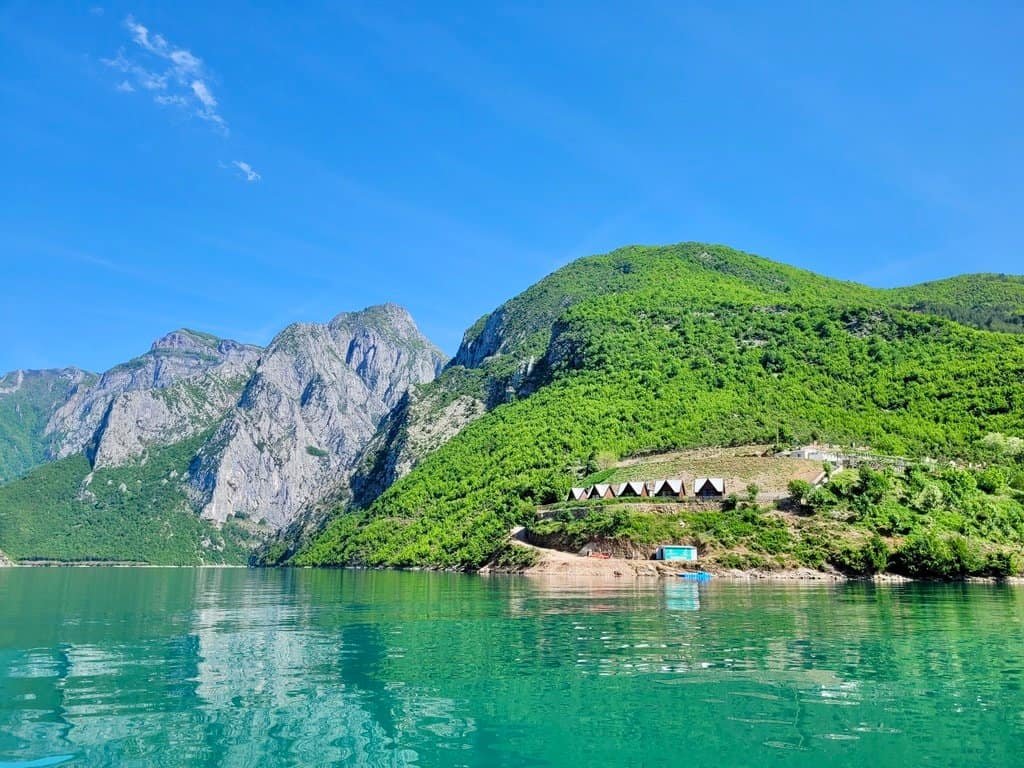
The ferry itself is part of the adventure. It wasn’t built for tourists but still serves isolated mountain communities, weaving slowly between steep cliffs that seem to rise directly from the emerald water. The scenery doesn’t mind whether you’re travelling for transport or pleasure.
If time allows, consider adding a kayaking trip, either on the lake itself or on the beautiful Shala River. Looking up at the surrounding mountains from water level completely changes your perspective.
Worth knowing
Many people compare Komani to a Norwegian fjord. The resemblance is striking, but the geology is entirely different. Fjords are carved by glaciers, while Komani follows a flooded river valley.
Guide’s tips
Try to catch one of the earlier ferries. Morning light often makes the limestone cliffs glow, and the lake is usually calmer.
If you’re travelling independently, don’t treat Komani as just a transfer. It’s one of those rare journeys where getting there is genuinely as memorable as arriving.
9. Valbona Valley – The Heart of the Albanian Alps
Best for: Hiking • Kayaking • Multi-day trekking
If hiking is your reason for visiting Albania, Albanian Alps is where you’ll probably want to spend the most time.
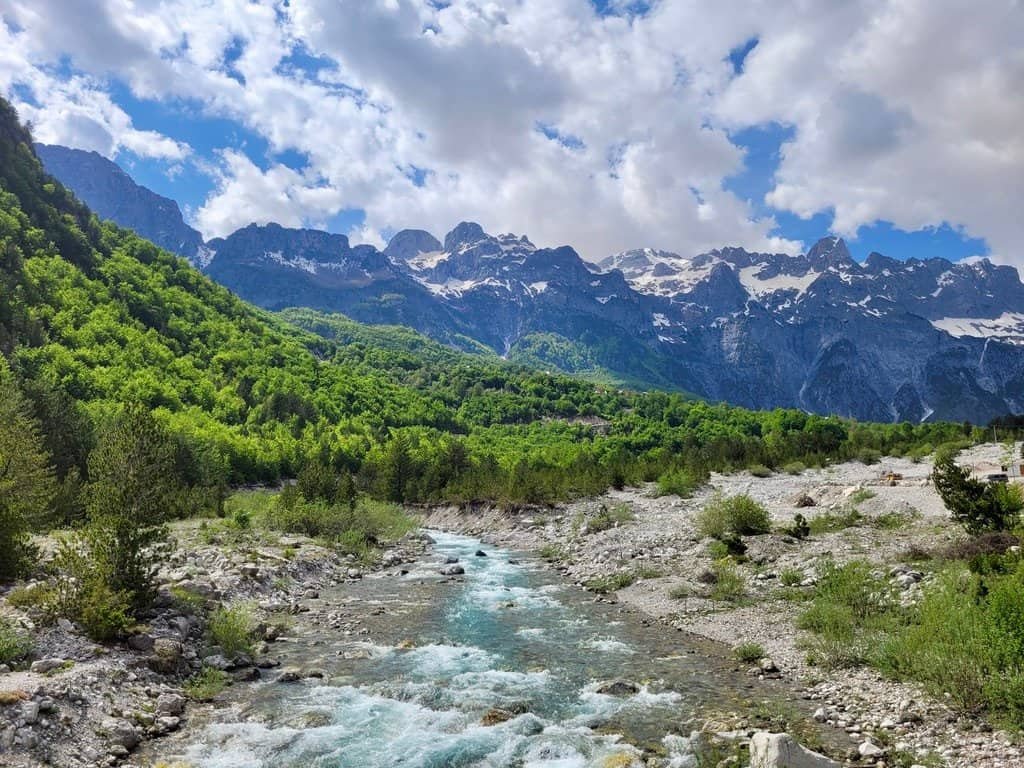
Most visitors know Valbona because of the famous hike to Theth. It deserves its reputation, combining dramatic scenery with an old shepherd route that connected isolated mountain communities long before it became one of the Balkans’ best-known hiking trails.
But treating Valbona simply as the starting point for that hike means missing much of what the valley has to offer.
For experienced hikers, Rosi Peak (Maja e Rosit) and Maja e Peçmarës provide longer and quieter alternatives with magnificent views across the Accursed Mountains. If you’re planning a multi-day adventure, routes towards Çerem or Dobërdol follow sections of the internationally renowned Peaks of the Balkans Trail, leading into some of the wildest alpine landscapes in the region.
Back in the valley, the turquoise Valbona River offers a completely different way to experience the mountains. Depending on the season and local conditions, guided kayaking trips allow you to swap hiking boots for a paddle for a few hours.
Worth knowing
Long before hikers arrived with lightweight boots and GPS watches, locals knew these peaks as Bjeshkët e Nemuna – the Accursed Mountains. It’s not difficult to imagine why. Long winters, deep snow and isolated valleys made life here anything but easy. Modern maps and mountain huts have made exploring them far more accessible, but the Alps still have a habit of reminding overconfident hikers who’s really in charge.
Guide’s tips
If you only have one day, hike to Theth.
The classic Valbona–Theth hike is around 17–18 km long and usually takes 6–8 hours, depending on pace and conditions. Expect approximately 900–1,000 metres of ascent followed by a similar descent. While technically straightforward in good weather, it is a demanding mountain hike that requires a good level of fitness, proper hiking footwear and enough water, especially during summer.
If you have two or three, stay in Valbona a little longer. The quieter trails often become the highlight of the trip, not because they’re more spectacular, but because you’ll spend more time listening to streams and cowbells than other hikers.
And yes, if your boots stay completely clean, you’ve probably chosen the wrong trail.
10. Theth National Park – Where Water Shapes the Landscape
Best for: Hiking • Waterfalls • Karst springs
If Valbona introduces you to the Albanian Alps, Theth reveals how those mountains work.
Almost every walk here follows water.
The village itself deserves attention too. Traditional stone houses, hay meadows and the historic Lock-in Tower remind visitors that these mountains were home to isolated communities long before they became a hiking destination.
Theth village sits within a spectacular limestone landscape where rivers disappear underground before re-emerging as icy springs, waterfalls and the famous Blue Eye.
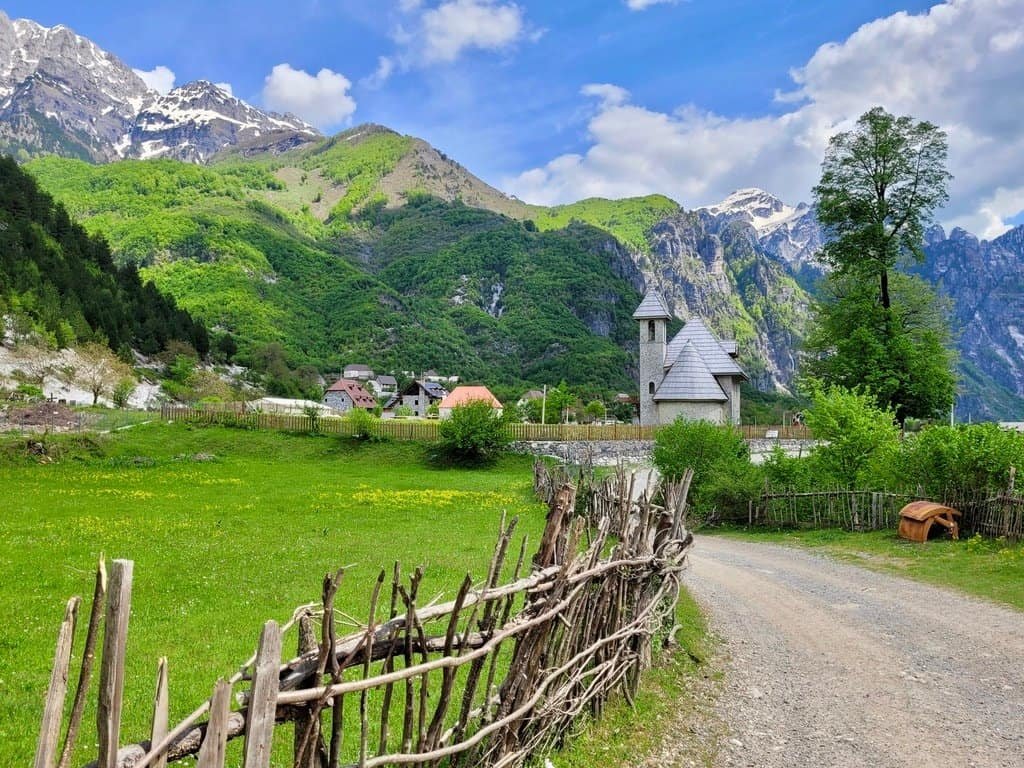
The shorter walk leads to Grunas Waterfall, a beautiful 30-metre cascade reached in roughly 45–60 minutes each way from the village.
The better-known Blue Eye of Theth is considerably more demanding. The return hike is around 18 km and usually takes 6–7 hours, passing Grunas Waterfall before continuing higher into the valley. It’s a rewarding full-day hike rather than a quick sightseeing stop.
Worth knowing
The Blue Eye gets its remarkable colour from exceptionally clear karst spring water rising through limestone under pressure. The water stays refreshingly cold throughout summer – excellent after a long hike, if you’re brave enough.
Guide’s tips
If you only have one day in Theth, choose between the Blue Eye and one of the shorter valley walks rather than trying to squeeze everything into a single itinerary.
If you have two days, combine Grunas Waterfall with a more relaxed exploration of the village on the first day, then dedicate the second to the Blue Eye. You’ll appreciate both
much more.
Best Places to Visit in Albania at a Glance
Short on time? Here’s a quick overview of the destinations in this guide, what they’re best for and how much time I’d recommend allowing for each.
| Destination | Best for | Time needed |
| Karaburun | Snorkelling & kayaking | Full day |
| Llogara | Hiking | Full day |
| Butrint | Nature & history | Half day |
| Gjirokastër | Culture | Half day |
| Berat | Culture | Half–full day |
| Osumi Canyon | Rafting | Half day |
| Komani Lake | Ferry & kayaking | Full day |
| Valbona | Hiking | 1–3 days |
| Theth | Hiking | 1–2 days |
Bringing It All Together
One of the things I enjoy most about Albania is its variety.
In just a few days you can snorkel above Mediterranean seagrass meadows, hike through the Accursed Mountains, raft a limestone canyon and wander two UNESCO World Heritage towns. Few countries pack so many different outdoor experiences into such a compact area.
Could you visit these places to visit in Albania independently? Absolutely. But they become even more rewarding when combined into one well-planned journey. Some of Albania’s greatest highlights are also its most remote, and getting between them takes more time than the map sometimes suggests.
That’s exactly the idea behind The Great Albania Journey – connecting the country’s most rewarding outdoor experiences into one adventure that keeps revealing a different side of Albania every day.
Where Next?
Planning your own trip?
Browse our Field Notes for more destination guides, outdoor adventure ideas and practical travel tips from the field.
If you’d prefer someone else to handle the planning, explore our upcoming Journeys, where many of these landscapes come together in carefully designed small-group adventures.
Have a favourite among these places to visit in Albania, or another recommendation worth adding to this guide? I’d genuinely enjoy hearing your thoughts in the comments.
And if you’re curious about joining The Great Albania Journey, or simply have a question about travelling in Albania, send me a message at rolands@escaperies.com. I’m always happy to talk outdoor adventures, wildlife, nature and travel plans.